
Heritage due diligence before you commit.
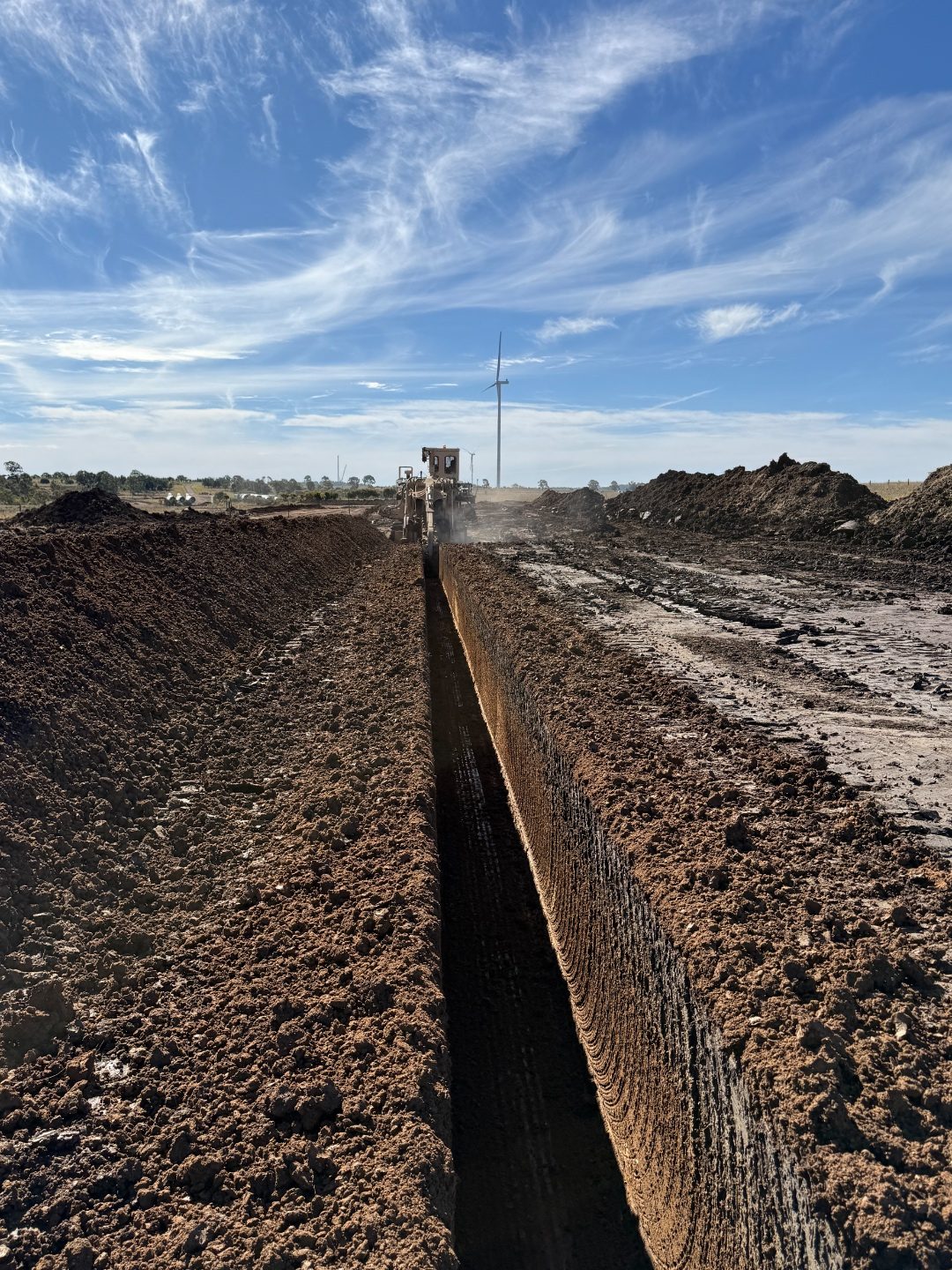
Knowing the heritage picture early saves time and money later. We search the registers, review the landscape and tell you plainly what the project is likely to need, before land is bought or the design is fixed.
A clear view of the heritage risk.
We combine register results with landform mapping and previous studies to show where heritage is likely and what approvals may apply.
- Aboriginal, Torres Strait Islander and historical heritage register searches
- Identification of the Aboriginal party or Native Title group for the area
- Landform and sensitivity mapping
- Advice on approval pathways and next steps
A short report with a clear answer.
Due diligence reports are written for project managers as well as approvers.
- Register search results and previous studies
- Sensitivity maps of the project area
- Likely approvals and timeframes
- Recommended next steps and budget guidance
How pricing works
Quotes are itemised by day rate, travel, vehicle and equipment, and reporting. Desktop assessments are usually quoted as a fixed fee.
Send the site location, the work program, your preferred dates and any approval or agreement conditions. We confirm scope, availability and price before work is booked.
Meeting your duty of care
In several states, a documented due diligence process is how a land user shows they took reasonable steps to avoid harming heritage. We prepare it in the form the state guideline expects.
Frequently asked questions
Is a desktop assessment enough?
Sometimes. For low-risk activities on disturbed land it may be. Where the landscape or register results point to heritage, we will recommend a field survey.
How long does it take?
Register searches can take a few days to come back. We give you a turnaround time with the quote.
Can you cover a large area?
Yes. Corridor and regional assessments are mapped so you can compare options.