Heritage monitoring
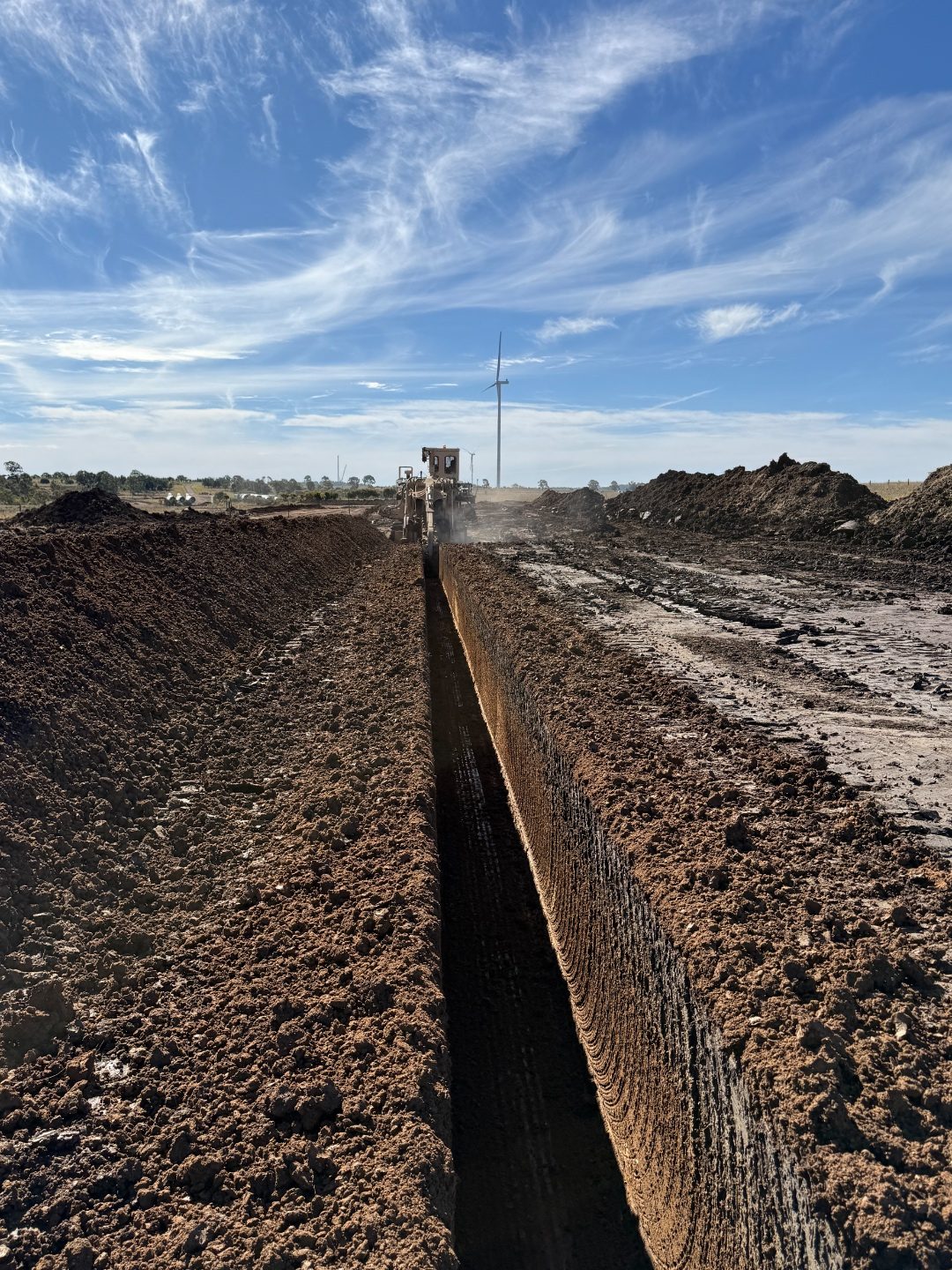
Monitors beside the plant during clearing, stripping and excavation.

We support projects across North Queensland with Aboriginal cultural heritage, historical and built heritage, archaeology and heritage planning. Creek lines, coastal dunes and ranges across North Queensland are common places for artefacts and scarred trees, and towns such as Charters Towers hold important gold rush heritage.
Choose a service to see what is included, or talk to us about combining them.
Monitors beside the plant during clearing, stripping and excavation.
Field surveys across the footprint before work starts.
Historical places, structures and archaeology assessed for approvals.
Test pits, salvage and collection under the permit or plan.
Attendance, protection and next steps when something is found.
Plans, agreements and finds procedures your site team can follow.
Register searches and early advice before land or design is locked in.
Practical inductions and toolbox talks for site crews.
Impact statements, conservation plans and works advice for heritage buildings.
Photographic and measured records before a place is altered or removed.
World, National and local natural heritage values checked and assessed.
Shipwrecks, jetties and foreshore places assessed for coastal projects.
We support work such as:
Send the site, the work program and any approval or agreement conditions. We will confirm the scope, crew and price before anything is booked.
Aboriginal cultural heritage is protected under the Aboriginal Cultural Heritage Act 2003 and the Torres Strait Islander Cultural Heritage Act 2003. Anyone carrying out an activity has a cultural heritage duty of care to take all reasonable and practicable measures to ensure the activity does not harm Aboriginal or Torres Strait Islander cultural heritage. Historical heritage is managed under the Queensland Heritage Act 1992.
World, National and Commonwealth Heritage places, including those listed for natural values, are protected under the Environment Protection and Biodiversity Conservation Act 1999, and shipwrecks and other underwater heritage under the Underwater Cultural Heritage Act 2018. Local heritage is managed through council planning schemes. Project approvals and agreements may add further conditions, and we check them for each job.
Creek lines, coastal dunes and ranges across North Queensland are common places for artefacts and scarred trees, and towns such as Charters Towers hold important gold rush heritage.
Send the site, dates and scope. We confirm availability, travel and inductions before agreeing a start date.
Aboriginal cultural heritage is protected under the Aboriginal Cultural Heritage Act 2003 and the Torres Strait Islander Cultural Heritage Act 2003. Anyone carrying out an activity has a cultural heritage duty of care to take all reasonable and practicable measures to ensure the activity does not harm Aboriginal or Torres Strait Islander cultural heritage. Historic places and archaeology are protected under the Queensland Heritage Act 1992. Commonwealth laws cover World and National Heritage places and shipwrecks.
Yes. Many projects book Aboriginal and historic heritage surveys, monitoring, built heritage advice and site inductions together under one quote, which keeps travel and reporting costs down.